Instagram accounts fuelling Ceuta crisis with paid advice for help to cross
BBC's Top Comment podcast has found a network of Instagram profiles glamourising the swim around the Morocco-Ceuta border fence.
This is an editorial recap by NotívaNews, republishing third-party facts; this is not our own reporting. Original source: BBC (2021).
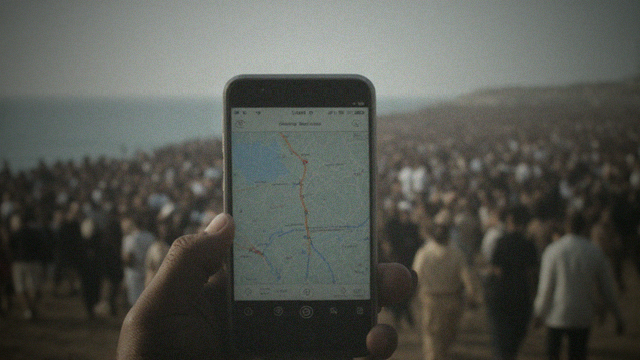
Behind the shocking images of people swimming and walking along the coast of Ceuta, a quieter, more calculated story was unfolding on social media. While the world watched the human tide at the border between Morocco and Spain, a separate wave was being manufactured online: Instagram accounts offering paid advice on how to make the crossing. These weren’t spontaneous guides born of solidarity, but organized services turning desperation into a business model. It’s a layer of the crisis that the cameras rarely captured, yet it may explain how so many people arrived so quickly, as if following a sudden, shared instruction manual.
What does it say about a world where even the most dangerous journey of a person’s life can be packaged, priced, and sold like a travel package? The thought is uncomfortable, but it points to a reality that may be more common than we’d like to admit: where there is a border, there is a market to cross it. The BBC’s reporting reveals that these accounts were not merely sharing information; they were actively fueling the crisis, charging for guidance on routes, timing, and methods. This sounds distant, but it connects with you more than it seems, because it forces a question: how many of the decisions we make are influenced by someone profiting from our urgency?
The context here is essential before jumping to conclusions. Ceuta, a Spanish enclave on the African continent, became the stage for a mass entry event when Moroccan border controls appeared to loosen, allowing thousands to surge through. In the chaos, the Instagram accounts acted as a shadow navigation system. They offered, for a fee, the practical knowledge of how to slip past patrols or find the weakest points in the fence. For the migrants, many of whom had traveled hundreds of miles, the promise of a successful crossing was worth any price. For the account operators, the crisis was simply an opportunity, a moment to monetize fear and hope in equal measure.
And what could this mean from here on? The presence of such accounts suggests a worrying evolution in how migration is facilitated, moving from physical smugglers to digital entrepreneurs who operate with impunity behind screens. It also raises a dilemma for platforms like Instagram, which may now have to police not just hate speech, but also the very real, life-or-death consequences of geographic advice. For the reader, the practical takeaway is a sharper awareness: the next time a viral post appears about a border crisis, consider who might be behind it and what they stand to gain. Understanding the context means seeing not just the people on the beach, but the invisible hands that may have guided them there.