
A RAMageddon guide to back-to-school laptop shopping
If you’re a student looking for an affordable laptop, I have bad news and I have good news. The bad news is that computer prices are out of whack due to the ongoing RAM and storage crunch, making some a little pricier than they used to be and others wildly more expensive. The good news? […]
This is an editorial recap by NotívaNews, republishing third-party facts; this is not our own reporting. Original source: The Verge (2024).
The back-to-school season is here, and with it comes the annual ritual of laptop shopping—a process that feels increasingly like navigating a minefield of model numbers, confusing specs, and marketing jargon. The Verge recently published a practical guide to cut through the noise, and the core message is refreshingly simple: you probably don’t need the most powerful machine on the shelf. The real question isn’t “What’s the best laptop?” but “What is the right laptop for the way you actually work?”
In practice, what does this mean for you? It means the difference between a tool that serves you for years and an expensive mistake that frustrates you from day one. The guide’s central advice is to stop being seduced by raw specs—the number of cores, the gigahertz, the teraflops—and instead think about your daily routine. Are you a student carrying a machine between lectures all day? A professional tethered to a desk with an external monitor? Someone who edits video as a side hustle? Each of these scenarios points to a completely different purchase, and the guide breaks down the key trade-offs: portability versus performance, battery life versus screen size, and the increasingly important question of RAM versus storage.
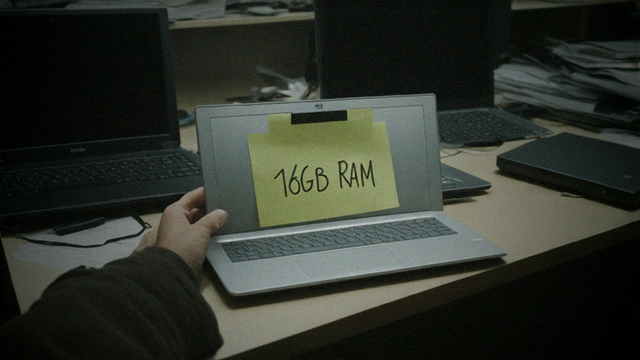
The most underrated piece of advice, and here is what nobody is telling you, is that RAM is the silent killer of laptop performance. A machine with a slightly slower processor but double the memory will often feel snappier in real-world use than a top-tier chip struggling with insufficient RAM. The guide emphasizes that 16GB should be your baseline in 2024, not a luxury, because operating systems and web browsers have become memory-hungry beasts. Meanwhile, storage is where you can make a compromise, especially if you rely on cloud services—but the guide warns that you can’t upgrade RAM in most modern laptops later, so getting it right at purchase time is a decision you’ll live with for years.
Technology is not magic—it is choice. And the choice here is about understanding your own habits before you even look at a price tag. The guide also touches on the quieter revolution happening in the chip market, where the competition between Apple’s silicon and the latest from Intel, AMD, and Qualcomm has made even budget-friendly laptops genuinely impressive. The result is that the “cheap” laptop of today is often more than capable for everyday tasks, which means the premium you pay for a high-end model is increasingly about build quality, display, and battery endurance rather than raw speed.
So, before you click “add to cart,” ask yourself a reflective question: are you buying the laptop that fits your life, or the one that looks best in a spec-sheet comparison? The guide’s ultimate takeaway is that a well-chosen mid-range machine, paired with the right amount of RAM, will outlast a flashy flagship that was purchased for the wrong reasons. Your future self, staring at a battery that dies by noon or a fan that sounds like a jet engine, may be the one who pays for that impulse. The smartest upgrade you can make this season might not be the most expensive one—it’s the one that matches the reality of your daily grind, not the fantasy of your productivity.