
Watch live: Trump touts federal crackdown on crime at New York rally
President Trump will deliver remarks Friday from Long Island, N.Y., where he is expected to tout his administration’s efforts to combat violent crime. The appearance comes as the Trump administration ramps up its focus on crime in Democratic-led cities, including extending the National Guard deployment to Washington, D.C. The president has defended the federal crackdown,…
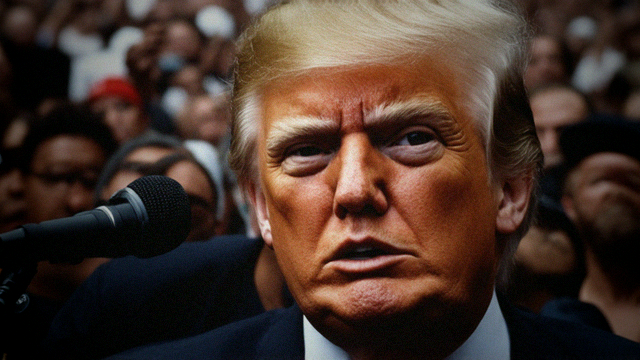
This is an editorial recap by NotívaNews, republishing third-party facts; this is not our own reporting. Original source: BBC News (2024).
The image of a former president returning to the scene of his legal troubles to tout a national law-and-order agenda is more than a campaign stop—it is a political statement about the power of the federal government versus the streets of a Democratic city. When Donald Trump took the stage in New York, the rally was framed around the administration’s federal crackdown on crime, a message designed to resonate far beyond the boroughs. But beyond the spin, this is the substance: the politics of public safety are shifting, and the federal role in local policing is once again a flashpoint in American life.
Here is what the politics really means. For years, the debate over crime has been a tug-of-war between state autonomy and federal intervention. By choosing New York as the backdrop, the former president is drawing a direct contrast between what he calls a federal commitment to order and the policies of local leaders he accuses of being soft on offenders. This is not just about statistics; it is about perception. The rally itself becomes a living poll, showing that the issue of crime—and who is trusted to solve it—may be a deciding factor for voters who feel unsafe in their own neighborhoods.
It affects more people than you think. While the event was centered in New York, the implications ripple across the country. The federal crackdown mentioned at the rally points to a broader strategy involving agencies like the FBI and the DEA, which operate in every state. For the average American, this could mean a shift in how federal resources are allocated, potentially prioritizing violent crime in urban centers over other types of investigations. The question that lingers is whether this approach will lead to safer streets or simply deepen the partisan divide over how justice is administered.
Watch what happens next—it matters. The rally serves as a preview of the campaign rhetoric to come, but the real test will be in the data. If the federal push yields measurable results in crime reduction, it could validate a more muscular federal presence. If not, it may be remembered as a symbolic gesture, heavy on imagery but light on lasting change. For now, the spotlight on New York is a reminder that in American politics, the fight over public safety is never just about policy—it is about who gets to define the narrative of safety itself.