
‘We Love Our Historic Church Home—but Here Are the Honest Drawbacks’
When Susan Sandler and her husband, Howard Eisenberg, decided to downsize from their 4,000-square-foot single family home with its large yard, garden, and burdensome maintenance, they were not expecting to
This is an editorial recap by NotívaNews, republishing third-party facts; this is not our own reporting. Original source: Realtor.com (2025).
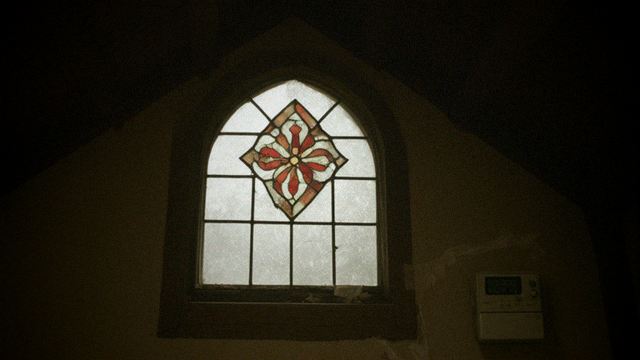
There is a quiet romance to the idea of living inside a converted church. The soaring ceilings, the stained glass catching the afternoon light, the sense that your living room carries a century of whispers. It is the kind of home that makes guests pause at the door, and it is easy to understand why so many buyers are drawn to the idea. But for every couple posting a dreamy photo of their pew-turned-dining-bench, there is a less visible story — one of heating bills that climb like a spire and windows that leak more than light. The market is telling you something here, and it is worth reading between the lines before you fall in love with the architecture.
The honest truth, as shared by owners who have actually made the leap, is that a historic church home is a labor of love with a very specific set of demands. The very features that make these spaces breathtaking — the vast open floor plans, the lack of interior walls, the original materials — are the same features that make them challenging to live in day to day. Acoustics, for instance, can turn a simple phone call into a public performance. Privacy becomes a luxury when your bedroom is essentially a stage with a ceiling. And the maintenance? That is not a weekend project; it is a lifestyle.
Before you sign anything, consider what the numbers do not say. The purchase price may be surprisingly reasonable for the square footage, but the ongoing costs are a different story entirely. Heating a volume of air that was designed for a congregation, not a family, can strain a monthly budget in ways that surprise even prepared buyers. Insulation, or the lack of it, becomes a constant companion. And when something breaks — and it will break — you are not calling a standard contractor. You are calling someone who understands historic preservation, and that expertise comes at a premium.
For renters, this market trend is worth watching from a distance. If you are simply drawn to the aesthetic, there are ways to borrow the feeling without inheriting the burden. A loft with high ceilings, a home with a dramatic window, even a rental with an arched doorway — these can give you the soul of the space without the structural headaches. For buyers, the advice is simpler and more urgent: do not buy the fantasy. Buy the building, with its real systems, its real bills, and its real limitations. Spend a winter in the neighborhood before you commit. Talk to the owners who have been there for five years, not five months.
Your home is not just a decision about where you sleep; it is a decision about how you spend your money, your weekends, and your peace of mind. A historic church can be a sanctuary, but it can also be a project that never ends. The families who thrive in these homes are not the ones who ignored the drawbacks — they are the ones who counted the cost and decided the beauty was worth it. That is a perfectly valid choice, as long as you are making it with open eyes. Here is the reality check: fall in love with the light, but know exactly what you are paying to keep it shining.